Best Trees for Home Gardens: Small, Beautiful Options for Every Yard

Choosing a tree for a home garden sounds simple until you stand in the yard and start picturing roots, shade, fallen leaves, pruning, and the full-grown size. Many gardeners fall in love with a tree when it is young, only to realize years later that it blocks a window, crowds a path, or grows far taller than expected.
The best home gardening trees are not always the most dramatic ones at the nursery. They are the trees that fit the space, suit the climate, and keep giving back through flowers, foliage, fruit, shade, structure, or seasonal color without becoming a long-term problem.
What Makes a Tree Work Well in a Home Garden?
In smaller yards, the most useful trees tend to have moderate growth, a tidy shape, and a mature size that suits the garden rather than overwhelms it. A tree that reaches a manageable height is easier to prune, safer near buildings, and more comfortable around patios or walkways.
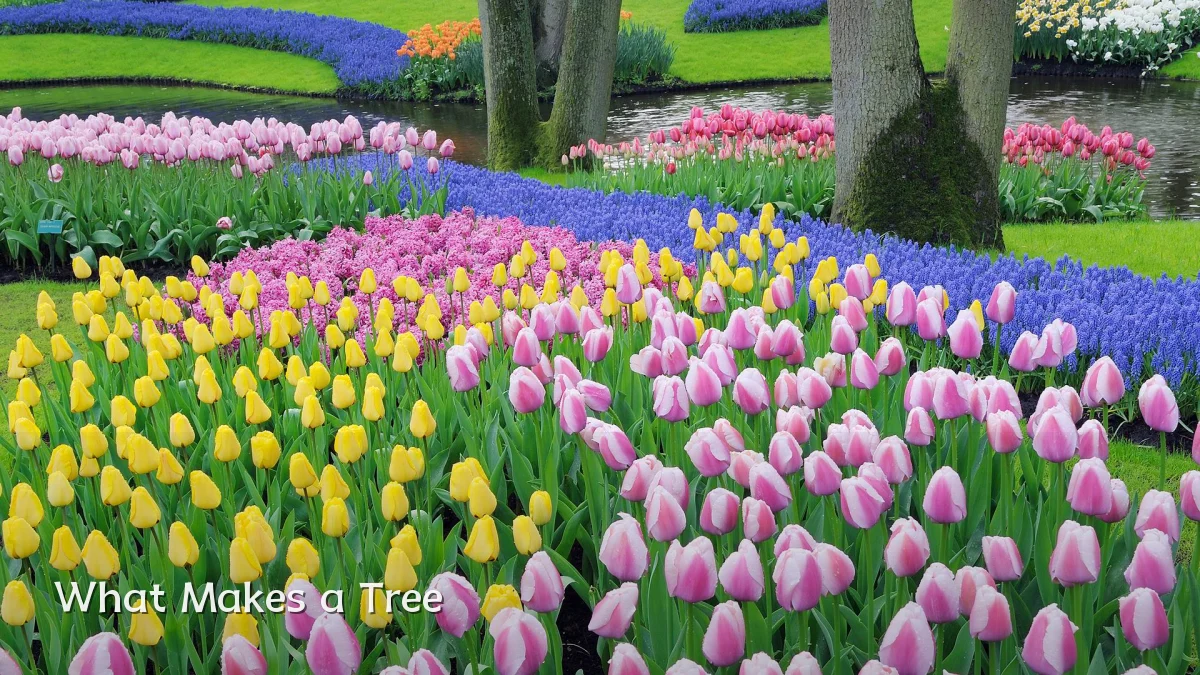
From experience, the label “small tree” still needs a second look. Some trees sold in compact containers can eventually reach the height of a two-story house or more. Before planting, check the expected mature height and spread, then measure the space in your yard instead of guessing.
A good home garden tree usually offers more than one season of interest. Spring flowers are lovely, but it is even better if the tree also has attractive leaves, berries for wildlife, colorful bark, a graceful winter shape, or light shade in summer.
Also consider the tree’s habits. Some drop fruit, seed pods, sticky sap, or heavy leaves. That may be fine in a lawn or wildlife corner, but frustrating over a driveway, deck, or outdoor dining area.
Small, Beautiful Tree Options to Consider
The right choice depends on your region, soil, sun exposure, and available space, but several types of small trees are commonly useful in home gardens when matched carefully to local conditions.
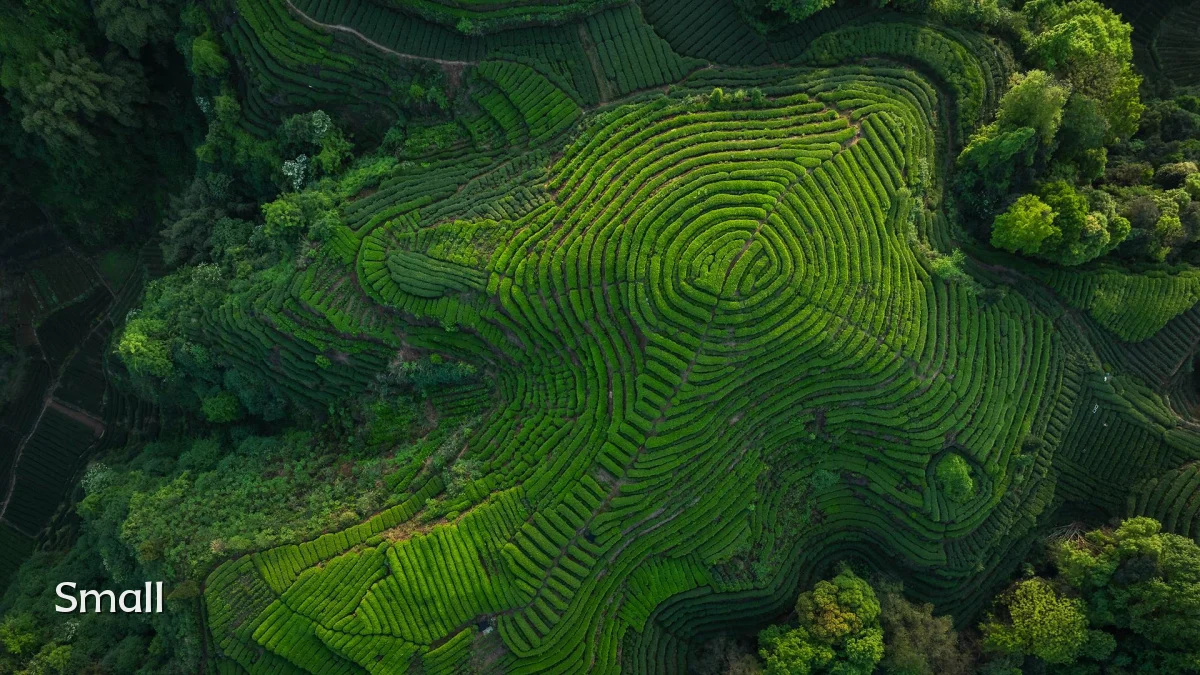
Japanese maple
Japanese maples are popular for good reason. Their fine leaves, layered branching, and rich autumn color make them especially useful near patios, courtyards, and entry gardens. Many varieties stay relatively compact, though sizes vary widely.
They often do best with protection from harsh afternoon sun and drying winds, especially in hotter areas. In a sheltered spot, they can become one of the most elegant focal points in a small garden.
Serviceberry
Serviceberry is a practical favorite for gardeners who want flowers, berries, and fall color in one tree. It produces delicate spring blooms, small edible berries that birds also enjoy, and warm autumn foliage.
It can work as a small multi-stem tree or large shrub, which makes it useful along garden edges or near naturalistic planting beds. Give it enough space for its airy form to develop instead of forcing it into a tight corner.
Crabapple
Crabapples can bring strong spring color and ornamental fruit, often staying within a manageable garden scale. They are especially effective where you want a small flowering tree with a clear seasonal display.
The main thing is to choose disease-resistant types suited to your area. Some older or poorly chosen varieties can be messy or prone to leaf issues. If fruit drop would bother you, look for smaller-fruited or more persistent-fruited selections.
Dogwood
Dogwoods are valued for their graceful form, spring flowers or bracts, layered branching, and attractive seasonal changes. They often suit front gardens and woodland-style plantings.
They generally appreciate decent soil, consistent moisture, and some protection from extreme stress. In hot or dry gardens, planting them in the right exposure matters more than forcing them into full sun for the sake of flowers.
Redbud
Redbuds are beautiful in early spring, when flowers appear along bare branches before the leaves open. Their heart-shaped foliage gives them a soft, friendly presence through the rest of the growing season.
They work well as small lawn trees, near informal borders, or at the edge of a larger planting. Mature size depends on the type, so check the expected spread before planting near walls, fences, or paths.
Dwarf fruit trees
Dwarf apples, pears, cherries, peaches, figs, and other fruit trees can be excellent for home gardens, but they are not maintenance-free. They may need pruning, pest monitoring, thinning, netting, or a second compatible variety for pollination.
If you enjoy hands-on gardening, a dwarf fruit tree can be rewarding. If you want a low-effort ornamental tree, choose carefully and avoid planting fruit over patios or walkways where fallen fruit will become a chore.
Common Mistakes When Planting Home Gardening Trees
One of the most common mistakes is planting too close to the house. A young tree may look small and harmless, but its canopy and roots need room. Leave enough distance for mature branches, air circulation, and future maintenance.
Another mistake is choosing a tree only for its flowers. A tree may bloom for a few weeks, but it will occupy the garden all year. Look at its summer foliage, winter shape, leaf drop, fruiting habit, and overall form before deciding.
Planting depth also matters. Trees are often planted too deep, which can stress the roots and trunk over time. The root flare, where the trunk begins to widen at the base, should usually sit at or slightly above the surrounding soil level.
Over-mulching is another quiet problem. Mulch is helpful for conserving moisture and reducing weeds, but it should not be piled against the trunk. Keep mulch pulled back slightly so the bark can stay dry and healthy.
Finally, many people underestimate watering during the first few seasons. Even drought-tolerant trees need steady moisture while they establish. Deep, occasional watering is usually better than frequent shallow sprinkling.
How to Choose the Right Tree for Your Yard
Start with the mature size, not the current pot size. Measure the planting area and think about overhead wires, rooflines, fences, windows, paths, and neighboring properties. A tree that fits without constant pruning will always be easier to live with.
Next, match the tree to your light conditions. A sun-loving flowering or fruiting tree may struggle in shade, while a tree that prefers partial shade may scorch in a hot, exposed site. Observe your garden at different times of day before choosing.
Soil is just as important. Some trees tolerate clay, others need sharper drainage, and some dislike soil that stays wet. If water sits after rain, choose a tree known for handling heavier or moister conditions, or improve the planting area before you buy.
Think about the purpose of the tree as well. Do you want privacy, shade, flowers, fruit, wildlife value, a focal point, or a screen from a neighboring window? A clear purpose narrows the choices and prevents impulse planting.
For patios: choose compact trees with light shade, minimal mess, and non-aggressive roots.
For front yards: look for year-round structure, neat form, and attractive seasonal interest.
For wildlife gardens: consider flowering and fruiting trees that support birds and pollinators.
For narrow spaces: look at columnar, upright, or multi-stem forms with controlled spread.
For edible gardens: choose dwarf fruit trees only if you are willing to prune and maintain them.
Planting and Care Tips That Make a Difference
The best planting time often depends on your climate, but mild seasons are usually easiest on new trees. Avoid planting during extreme heat, frozen ground, or drought unless you can provide careful aftercare.
Dig a wide planting hole rather than a very deep one. Loosen the surrounding soil so roots can move outward, and avoid burying the trunk. If the roots are circling tightly in the pot, gently tease them apart before planting.
After planting, water thoroughly and mulch the area with a moderate layer of organic mulch. Keep grass and weeds away from the base, as they compete with young roots for moisture and nutrients.
Staking is not always necessary. If the tree is stable, allowing slight movement can help it develop strength. If you do stake, use flexible ties and remove them once the tree is established enough to stand on its own.
Prune lightly in the early years to remove damaged, crossing, or poorly placed branches. Avoid heavy shaping unless the tree requires a specific training method, as over-pruning can weaken young trees and spoil their natural form.
A Simple Way to Decide
The best trees for home gardens are the ones that fit both the yard and the gardener. A beautiful tree that needs constant correction is not really the right tree. A smaller, well-sited tree with seasonal interest will usually give more pleasure over time.
Before planting, ask three questions: How big will it get, what will it drop, and what does it need from me? If the answers suit your space and your routine, you are much more likely to enjoy the tree for years rather than regret it.
Whether you choose a Japanese maple for elegance, a serviceberry for wildlife, a crabapple for spring color, or a dwarf fruit tree for harvests, the goal is the same: a tree that feels at home in the garden and improves the yard without taking it over.