Eco Lifestyle Trees: How to Choose the Best Trees for a Greener Home
Choosing trees for a greener home sounds simple until you are standing in a nursery, surrounded by tags promising shade, flowers, privacy, fruit, wildlife value, and low maintenance. The problem is that a “good” tree in one garden can become a costly mistake in another. A tree that grows too large, drops fruit over a path, blocks winter light, or needs constant watering may not fit an eco lifestyle at all.
The best eco lifestyle trees are not just attractive. They suit your climate, support local wildlife, reduce household energy use, improve soil and air quality, and remain manageable over time. The right choice usually comes from observing your site carefully before buying anything.
Start With What Your Home Actually Needs
Before thinking about species, look at the role you want the tree to play. In many homes, trees are chosen for appearance first, then practical needs are considered later. A better approach is to ask what problem the tree should solve.

- For summer cooling: A deciduous shade tree on the sunny side of the home can help reduce heat while still allowing winter light after the leaves fall.
- For privacy: Smaller evergreen trees or layered planting can screen views without creating a dark, overgrown boundary.
- For wildlife: Native or climate-adapted trees that provide flowers, berries, seeds, nesting cover, or caterpillar food are often the most useful.
- For food: Fruit or nut trees can be rewarding, but only if you have the time to harvest, prune, and manage fallen produce.
- For small spaces: Compact trees with modest roots and predictable mature size are usually safer than trying to control a naturally large tree.
A tree is a long-term feature. If you choose based on the mature height, spread, water needs, and maintenance style, you are more likely to end up with a tree that supports your lifestyle instead of becoming another chore.
Observe Sun, Soil, Water, and Wind Before You Buy
One of the most useful lessons from real gardens is that the site often matters more than the label. A tree described as “easy” can struggle if it is planted in compacted soil, deep shade, reflected heat, or a windy corner. Spend a few days watching the space where you plan to plant.
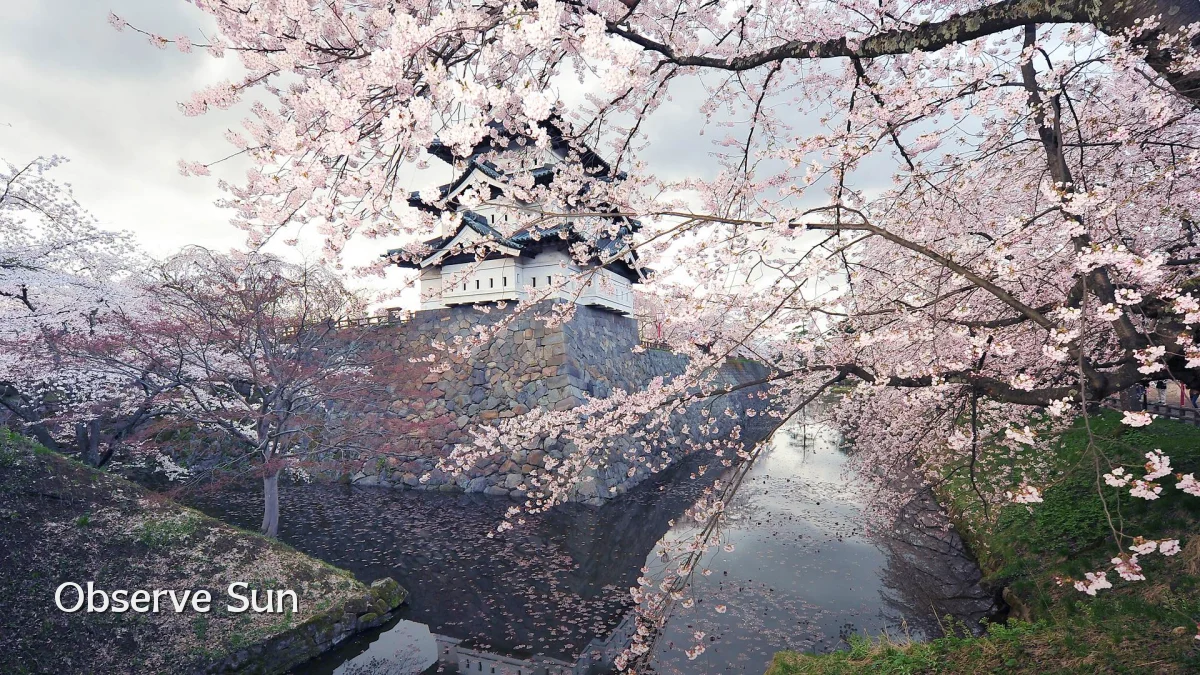
Notice where the sun falls in the morning and afternoon. Afternoon sun against walls, paving, or fences can be much hotter than it looks. A tree that tolerates full sun in open soil may suffer near concrete or brick if the roots dry out quickly.
Check the soil after rain or watering. If water sits for a long time, you may need a tree that tolerates heavier soil, or you may need to improve drainage. If the soil dries fast, choose drought-tolerant species once established and mulch generously. Avoid relying on constant irrigation unless you are comfortable with the water use and maintenance.
Wind is another overlooked factor. Young trees in exposed sites can dry out, lean, or break. In windy gardens, a tougher species and proper early staking can matter more than choosing the prettiest option.
Common Mistakes That Make Trees Less Eco-Friendly
Many tree problems start with good intentions. A homeowner wants shade, habitat, or a more natural garden, but a few avoidable choices make the result less sustainable.
- Planting too close to the house: Small nursery trees can hide their future size. Always check mature spread and root behavior before planting near walls, drains, paving, or foundations.
- Choosing fast growth over long-term fit: Very fast-growing trees can provide quick shade, but some have weak wood, heavy pruning needs, invasive roots, or short lifespans.
- Ignoring local climate: A tree that needs extra water, protection, or soil amendments year after year may not be the greenest choice for your region.
- Buying for flowers only: Seasonal blossom is lovely, but also consider leaf drop, fruit mess, allergies, pests, and the tree’s value outside its flowering period.
- Over-pruning: Repeated hard pruning stresses trees and creates waste. It is better to choose a tree that naturally fits the space.
An eco lifestyle tree should reduce effort over time, not increase it. The most sustainable option is often the tree that can thrive with modest care once established.
How to Choose Trees for a Greener, Easier Home
A practical shortlist can help. Instead of looking for one “best” tree, compare a few candidates against your actual conditions. Local native trees are often a strong starting point because they tend to support local insects, birds, and soil life. However, some non-invasive, climate-adapted trees can also be responsible choices, especially in urban gardens with heat, limited soil, or changing weather patterns.
Use these decision criteria before making a purchase:
- Mature size: Choose a tree that can grow naturally without constant cutting back.
- Water needs: Favor trees that match your rainfall pattern once established.
- Wildlife value: Look for flowers, berries, seeds, shelter, or host value for local pollinators and birds.
- Root behavior: Avoid large, aggressive-rooted trees near pipes, paving, small courtyards, or retaining walls.
- Canopy density: Dense shade can cool a home, but it may also suppress lawns, vegetables, or solar panels if placed poorly.
- Maintenance: Consider leaf fall, fruit drop, pruning needs, thorns, brittle branches, and susceptibility to local pests.
If you have limited space, consider a small ornamental tree, a compact fruit tree, or a multi-stem tree with a manageable canopy. If you have a larger site, a broader shade tree may offer more cooling, habitat, and carbon storage over its lifetime. In either case, planting fewer trees well is usually better than crowding too many into a small area.
Planting and Early Care Matter as Much as the Tree
Even a well-chosen tree can fail if it is planted poorly. A common mistake is planting too deep. The root flare, where the trunk begins to widen at the base, should usually sit at or slightly above the surrounding soil level. Burying the trunk can lead to rot, weak growth, and long-term stress.
Mulch is one of the simplest eco-friendly habits. A wide ring of organic mulch helps conserve moisture, moderate soil temperature, and feed soil life as it breaks down. Keep mulch away from direct contact with the trunk; a “mulch volcano” piled against bark can cause problems.
Watering is most important during establishment. Deep, occasional watering usually encourages better roots than frequent shallow watering, but the right schedule depends on soil, weather, tree size, and rainfall. Once established, the goal is to reduce dependence on supplemental water where possible.
Staking should be temporary and not too tight. Young trees need some movement to develop strength. Remove stakes once the tree can stand securely on its own, rather than leaving ties to cut into the bark.
A Greener Home Starts With the Right Tree in the Right Place
Eco lifestyle trees are not about planting the trendiest species or filling every empty corner with greenery. They are about making thoughtful choices that work with your home, climate, soil, and daily life. A tree that gives shade where you need it, supports wildlife, survives with reasonable water, and fits its space will do more good than one that constantly needs correction.
Take time to observe your site, choose for mature size, and plant with care. The result is a greener home that feels more comfortable, more alive, and easier to maintain year after year.