How Biodiversity Trees Support Healthier Forest Ecosystems
If you manage woodland, restore a degraded site, or simply care about the long-term health of a forest, it can be frustrating to see trees planted with good intentions struggle after a few seasons. A stand may look green at first, yet still be vulnerable to pests, drought, poor soil structure, or weak wildlife activity.
This is where biodiversity trees matter. In practice, healthier forests are rarely built around one “best” tree. They are built from a thoughtful mix of native and well-adapted species, different ages, varied canopy heights, and trees that support fungi, insects, birds, mammals, and soil life. The goal is not just to plant more trees, but to create a living system that can adjust, recover, and keep functioning over time.
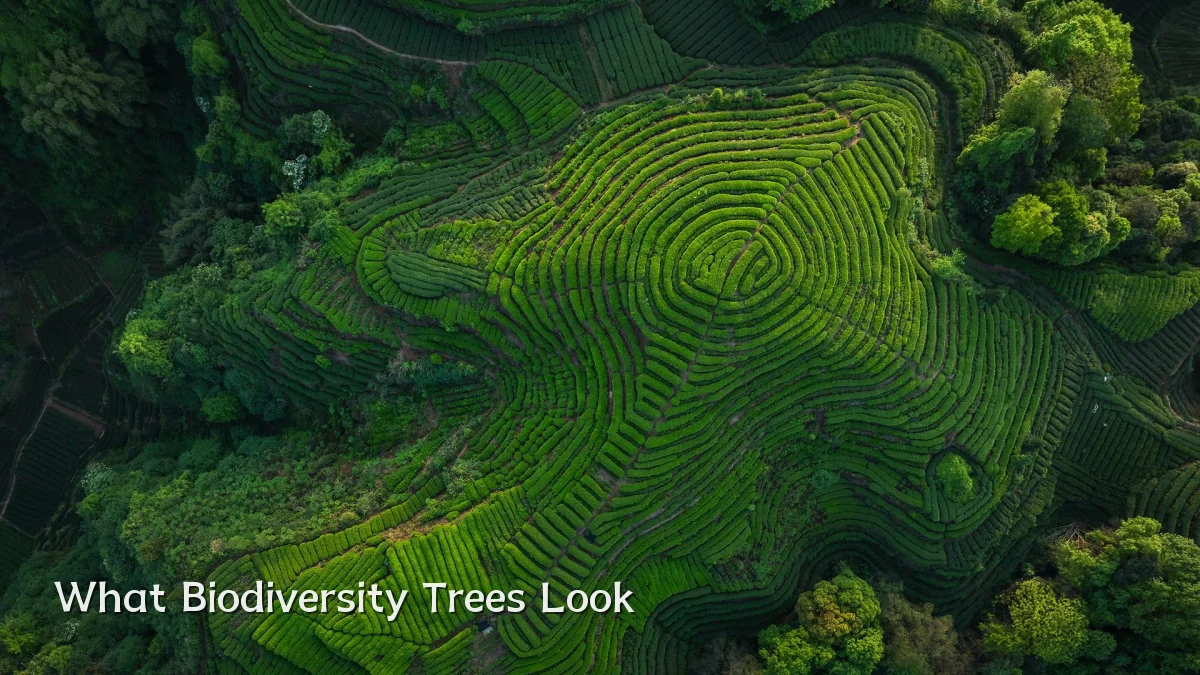
What Biodiversity Trees Look Like in a Working Forest
In the field, a biodiverse forest does not look perfectly uniform. It has tall canopy trees, smaller understory trees, young saplings, decaying logs, flowering species, seed-producing trees, and patches of light and shade. This unevenness is a strength, not a flaw.
When forests contain a broad mix of tree species, different trees contribute different functions. Some improve leaf litter quality, some provide nectar or fruit, some host beneficial insects, and others create deep shade or stabilize slopes. Together, they create more habitat layers than a single-species planting can provide.
One practical sign of a healthier mixed forest is activity at many levels. You may see birds using the canopy, insects visiting blossoms, fungi breaking down fallen wood, and seedlings emerging in small gaps. These are signs that the forest is cycling nutrients and supporting life beyond the trees themselves.
Practical Observations: Why Diversity Improves Forest Resilience
A forest with several tree species is better able to absorb stress. If one species suffers from a pest outbreak, drought sensitivity, or a disease problem, other species may continue growing and maintaining canopy cover. This reduces the chance that the entire stand declines at once.

Tree diversity also helps protect soil. Different root systems occupy different depths and patterns in the ground. Some trees form broad, shallow roots that hold surface soil, while others reach deeper moisture. This variety can reduce erosion, improve water movement, and support a richer community of soil organisms.
Another important observation is seasonal balance. A forest with early-flowering trees, summer foliage, autumn fruit, and winter shelter supports wildlife throughout the year. This matters because wildlife is part of forest function. Birds, insects, and mammals help with pollination, seed movement, pest control, and nutrient cycling.
Over time, biodiversity trees can also help a forest regenerate more naturally. When mature trees produce seed, and site conditions allow seedlings to establish, the forest becomes less dependent on repeated planting. That natural renewal is one of the clearest signs that the ecosystem is becoming more self-sustaining.
Common Mistakes When Planting for Biodiversity
One common mistake is planting many species without considering the site. Diversity is useful only when the trees are suited to the soil, moisture, light, and local climate. A species that struggles from the start may require constant care and still fail to contribute much to the ecosystem.
Another mistake is focusing only on the number of species. A planting list may look diverse on paper, but if all trees are the same age, planted in straight rows, and managed as a uniform block, the site may still lack structural diversity. Forest life needs variation in height, spacing, canopy cover, deadwood, and ground-layer conditions.
It is also easy to overlook local genetics and invasive risk. Trees that are poorly matched to the region can perform unpredictably, while invasive species may spread beyond the planting area and reduce native biodiversity. When uncertain, it is safer to prioritize locally appropriate native species and seek regional guidance before introducing unfamiliar trees.
A final mistake is removing too much “mess.” Fallen branches, leaf litter, standing deadwood where safe, and decaying logs all support fungi, beetles, nesting cavities, and soil formation. A forest managed to look overly tidy may lose some of the very features that make it ecologically healthy.
How to Choose and Use Biodiversity Trees Well
Start by reading the site before choosing trees. Look at drainage, slope, existing vegetation, shade patterns, browsing pressure, and signs of erosion or compaction. A wet hollow, dry ridge, open edge, and shaded interior may each need different species.
A useful approach is to combine tree functions rather than selecting trees for appearance alone. Consider including:
- Canopy species that provide long-term structure and shade.
- Understory trees that grow beneath taller species and add habitat layers.
- Flowering trees that support pollinators and beneficial insects.
- Fruit, nut, or seed-producing trees that feed birds and mammals.
- Soil-supporting species that contribute useful leaf litter, root structure, or slope stability.
Spacing should allow for both survival and future complexity. In restoration projects, trees are often planted close enough to establish canopy cover, but not so densely that all understory growth is suppressed. Some natural gaps are valuable because they allow young trees, shrubs, grasses, and wildflowers to share the site.
Protection during the first few years is often more important than adding more species. Young biodiversity trees may need help against browsing animals, competing weeds, drought stress, or accidental damage. Mulching, careful watering during establishment, and selective vegetation control can make the difference between a diverse planting and a patchy failure.
Think in stages. A young planting will not look like a mature forest right away. Early growth may seem uneven, and some losses are normal. The key is to monitor which species are thriving, which are struggling, and whether natural regeneration is beginning. Adjust future planting based on what the site teaches you.
Closing Summary: Diversity Builds Forest Health Over Time
Biodiversity trees support healthier forest ecosystems by spreading risk, improving habitat, strengthening soil processes, and helping forests recover from stress. The most successful plantings are not simply mixed at random; they are matched to the site, layered in structure, and managed with patience.
For landowners, restoration teams, and community planting groups, the practical lesson is clear: choose trees for function as well as survival. A forest with varied, well-suited species becomes more than a collection of trunks and leaves. It becomes a resilient ecosystem capable of supporting life above ground, below ground, and across generations.