Tree Nursery Guide: How to Choose the Right Trees for Your Landscape

Choosing a tree at a nursery can feel simple at first: find something attractive, check the tag, and bring it home. The hard part often shows up years later, when the tree is too large for the space, struggles in the soil, drops messy fruit over a walkway, or never develops the shape you expected.
A good tree nursery guide is less about picking the prettiest tree on the lot and more about matching a living plant to a real place. The right choice depends on your site, your patience, your maintenance habits, and what you want the tree to do in the landscape.
Start With the Site, Not the Tree
One of the most useful lessons from visiting nurseries is that the best tree on display is not always the best tree for your yard. Before comparing species or sizes, look carefully at where the tree will live.
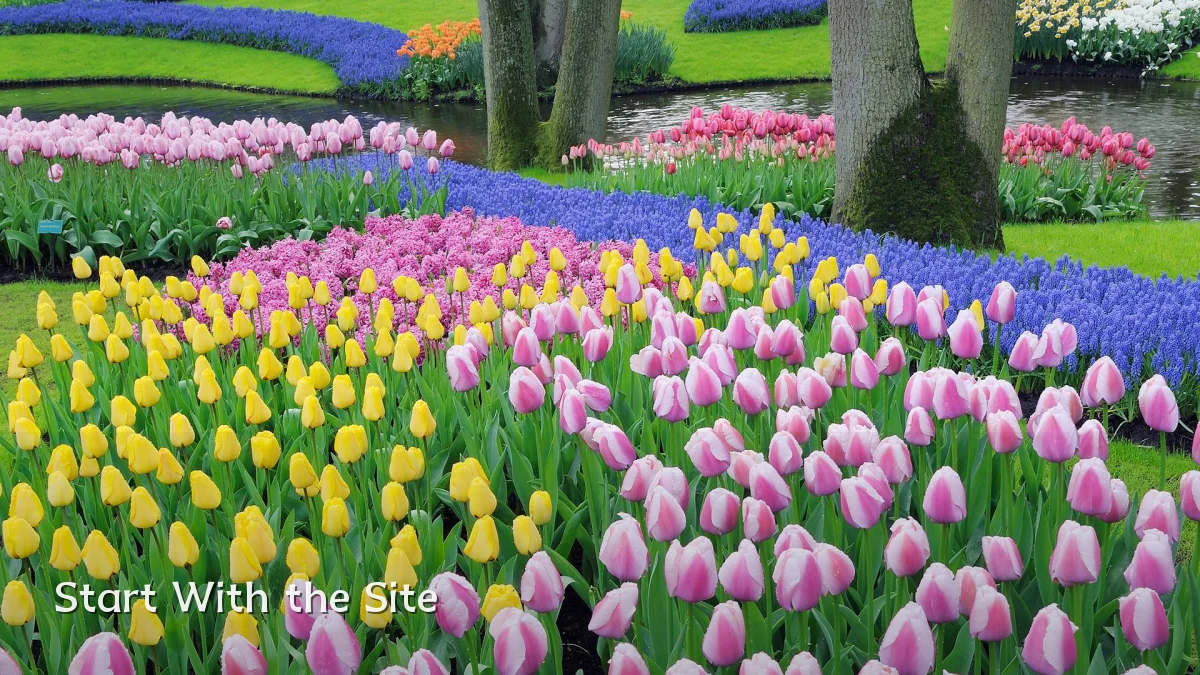
Start with sunlight. A tree that wants full sun may survive in partial shade, but it may grow thin, lean toward light, or flower poorly. Shade-tolerant trees, on the other hand, can scorch or struggle if placed in a hot, exposed area.
Soil is just as important. Some trees tolerate clay, compacted ground, or periodic wetness better than others. Others need sharp drainage and decline slowly in heavy soil. If water stands after rain, or if the ground dries out quickly in summer, tell the nursery staff before you choose.
Also measure the available space. Think about mature height and spread, not the size of the tree in the container. A small nursery tree can become a large canopy tree, and planting it too close to the house, driveway, fence, or overhead lines creates long-term maintenance problems.
- Check how many hours of sun the location receives.
- Notice whether the soil stays wet, dries fast, or compacts easily.
- Measure the distance to buildings, walkways, utilities, and other trees.
- Consider wind exposure, reflected heat, and drainage patterns.
What to Look for When Inspecting Nursery Trees
At the nursery, do not rely only on leaf color or overall size. A slightly smaller tree with a strong structure is usually a better choice than a taller tree with defects that will be difficult to correct later.
Look for a single strong central leader if the tree species normally grows that way. Branches should be spaced well along the trunk rather than clustered tightly at one point. Narrow branch angles, crossing limbs, or heavy branches low on the trunk can lead to future breakage or awkward pruning decisions.
Check the trunk for wounds, cracks, sunscald, or signs of mechanical damage. Minor scuffs are common, but deep wounds or large damaged areas are warning signs. The trunk should taper naturally from base to top rather than looking like a pole of the same thickness.
The root area deserves close attention. If the tree is in a container, look for roots circling densely around the inside of the pot or matted at the surface. Some circling roots can be corrected at planting, but severe root binding may limit establishment. If the tree is balled and burlapped, the root ball should feel firm and proportionate to the tree.
- Choose balanced branching over extra height.
- Avoid trees with obvious trunk wounds or split leaders.
- Look for healthy, evenly distributed foliage during the growing season.
- Inspect the root ball when possible, especially on container-grown trees.
- Ask how long the tree has been in its current container or root ball.
Match Tree Type to the Job You Want It to Do
Different trees solve different landscape problems. A shade tree for a backyard patio is not the same choice as a narrow tree for a side yard, a flowering accent near an entry, or a screen along a property line.
If you want shade, prioritize mature canopy width, branch strength, and heat tolerance. If you want privacy, look at evergreen habits, density, and how the tree behaves in winter. If your goal is seasonal interest, consider flowers, bark, fall color, fruit, or wildlife value, but balance those traits against cleanup and maintenance.
It also helps to think in time frames. Fast-growing trees can be appealing, especially in a new landscape, but fast growth sometimes comes with weaker wood, larger roots, or a shorter useful life. Slower-growing trees may take patience, but they often provide better structure and longevity when planted in the right conditions.
| Landscape Goal | What to Prioritize | What to Watch For |
|---|---|---|
| Shade | Mature canopy size, branch strength, heat tolerance | Planting too close to roofs, patios, or utility lines |
| Privacy | Evergreen foliage, density, mature width | Crowding trees too tightly for quick coverage |
| Flowering accent | Bloom season, mature shape, visibility from key areas | Short bloom period or messy fruit near walkways |
| Small space | Compact mature size, root behavior, form | Choosing a young large tree because it looks manageable now |
Common Mistakes That Lead to Regret
One common mistake is buying for immediate impact. A large tree can look impressive on the nursery lot, but it may be harder to transport, plant, water, and establish. Smaller trees often adapt more quickly and can catch up over time when cared for well.
Another mistake is ignoring mature size. Tags are useful, but they are not guarantees. Mature height and spread vary with climate, soil, water, and pruning. If the listed size already seems tight for your space, choose a smaller-growing option rather than hoping the tree will stay compact.
Many homeowners also underestimate maintenance. Some trees drop fruit, seed pods, flowers, leaves, twigs, or sap at inconvenient times. This may be perfectly acceptable in a back corner of the yard but frustrating over a driveway, pool, deck, or front path.
Planting depth is another frequent issue. Even a healthy nursery tree can decline if planted too deep. The root flare, where the trunk begins to widen at the base, should be visible near the soil surface. If the root flare is buried in the container or root ball, it may need to be exposed carefully during planting.
- Do not choose a tree only because it is blooming on the day you visit.
- Do not assume a large nursery specimen will establish faster.
- Do not plant under power lines unless the mature height is appropriate.
- Do not overlook leaf, fruit, or seed drop in high-traffic areas.
- Do not bury the trunk flare when planting.
Questions to Ask Before You Buy
A good nursery visit should include a few practical questions. You do not need to know every botanical detail, but you should leave with a clear idea of how the tree behaves and what it will need during establishment.
Ask whether the tree is well suited to your local climate and soil conditions. Local experience matters because the same tree can perform differently depending on heat, cold, humidity, pests, and drainage. If a tree is marginal for your area, you should know that before planting it as a major feature.
Ask about watering during the first year or two. New trees usually need consistent moisture while roots expand into the surrounding soil, but the right schedule depends on weather, soil type, tree size, and drainage. Avoid both drought stress and constantly saturated soil.
Finally, ask about pruning needs. Some young trees benefit from light structural pruning after establishment, while others need minimal intervention. It is better to understand the natural form of the tree than to fight against it later.
- How large does this tree usually get in local landscapes?
- Does it tolerate my soil type and drainage conditions?
- How much sun does it need to perform well?
- Is it prone to breakage, pests, or disease in this area?
- Will it drop fruit, seed pods, or sap where I plan to plant it?
- What watering routine is recommended after planting?
Final Thoughts
The right tree is not simply the healthiest-looking one at the nursery. It is the tree that fits your space, soil, light, climate, and long-term goals. Taking time to evaluate these details before buying can prevent years of pruning, removal costs, or disappointment.
Use the nursery visit as a chance to compare structure, ask local questions, and think beyond the first season. A well-chosen tree can become one of the most valuable parts of a landscape, but it starts with matching the plant to the place.